The Science Behind QuietHour™

How we chose these seven ingredients

Most sleep products are built backwards: pick ingredients that sound calming, put them on a label, write copy that implies more than the research supports.

We started from the published human trials and worked forward. That approach has a cost, and we'd rather state it up front than have you discover it: the evidence behind sleep ingredients is uneven. Some of what's in QuietHour is supported by randomized controlled trials at doses close to ours. Some is supported by mechanism and traditional use, with human sleep trials that are small, mixed, or absent.

We've marked which is which below. Where a study used a higher dose than we do, we say so. Where a trial came back null, we say that too.

None of this is medical advice, and none of it means QuietHour will work for you. It means we can show you why each ingredient is in the bag.

What researchers say about these compounds

These videos are embedded from their original publishers on YouTube and are not our content. No one appearing in them is affiliated with, compensated by, or endorsing QuietHour, and none has reviewed our formula. They are discussing the ingredients, not our product.

The ingredients

Magnesium

Magnesium

200 mg elemental, as bisglycinate chelate

Why it's in the formula. Magnesium is involved in the regulation of neurotransmitters that govern the sleep–wake cycle and in normal muscle function. It's one of the more commonly studied minerals in sleep research, and dietary intake falls short of recommended levels for a large share of adults.

What the research shows. The largest placebo-controlled trial of magnesium and sleep was published in Nature and Science of Sleep in 2025. 155 adults aged 18–65 with self-reported poor sleep took 250 mg of elemental magnesium as bisglycinate, or placebo, for four weeks. Insomnia Severity Index scores improved more in the magnesium group than in placebo (3.9 points versus 2.3, p = 0.049). Most of the improvement showed up within the first two weeks and held. The supplement was well tolerated — side effects were less frequent than in the placebo group.

Why bisglycinate. Magnesium oxide is cheap and poorly absorbed. Citrate is better absorbed but has an osmotic laxative effect. Bisglycinate is a chelated form generally chosen for GI tolerability — which matters in something you drink before bed.

Read the trial
Glycine

Glycine

2,000 mg

Why it's in the formula. Glycine is an amino acid that acts as an inhibitory neurotransmitter. It also causes peripheral vasodilation, which lowers core body temperature — the same drop your body produces naturally as it moves toward sleep.

What the research shows. A 2007 trial in Sleep and Biological Rhythms gave 3 g of glycine before bed to people with poor subjective sleep quality and found improvements in sleep quality ratings compared with placebo. A later trial reported reduced daytime sleepiness and fatigue in sleep-restricted subjects at the same dose.

Read the 2007 trial
L-Theanine

L-Theanine

200 mg

Why it's in the formula. L-theanine is an amino acid found in tea leaves. EEG studies have associated it with increased alpha-wave activity — the brain state linked to relaxed wakefulness rather than sedation. It's the ingredient in the formula meant to quiet mental activity without making you groggy.

What the research shows. A 2019 randomized, placebo-controlled trial in Nutrients gave 200 mg of L-theanine daily to healthy adults for four weeks. Pittsburgh Sleep Quality Index scores improved compared with placebo, with significant differences in the sleep latency, sleep disturbance, and sleep-medication subscales.

Why this one matters to us. It's the only ingredient in QuietHour where our dose exactly matches the dose in the trial.

Read the trial
Melatonin

Melatonin

0.5 mg

Why it's in the formula, and why the dose is low. This is the ingredient we're most confident about, and the reason is counterintuitive: most sleep products use far too much. Typical melatonin supplements deliver 3–10 mg. Your body produces roughly 0.1–0.3 mg per night. Research from MIT in 2001 established that physiological doses — around 0.3 mg — were effective for sleep onset, and that higher doses didn't perform better while being more likely to produce next-day grogginess.

What the research shows. The 2001 trial in the Journal of Clinical Endocrinology & Metabolism compared physiological-range melatonin against placebo and against higher doses, and found the low dose effective for sleep onset. Meta-analyses since have found melatonin reduces the time it takes to fall asleep and modestly increases total sleep time.

Read the study
Organic Reishi

Organic Reishi

500 mg, dual-extracted

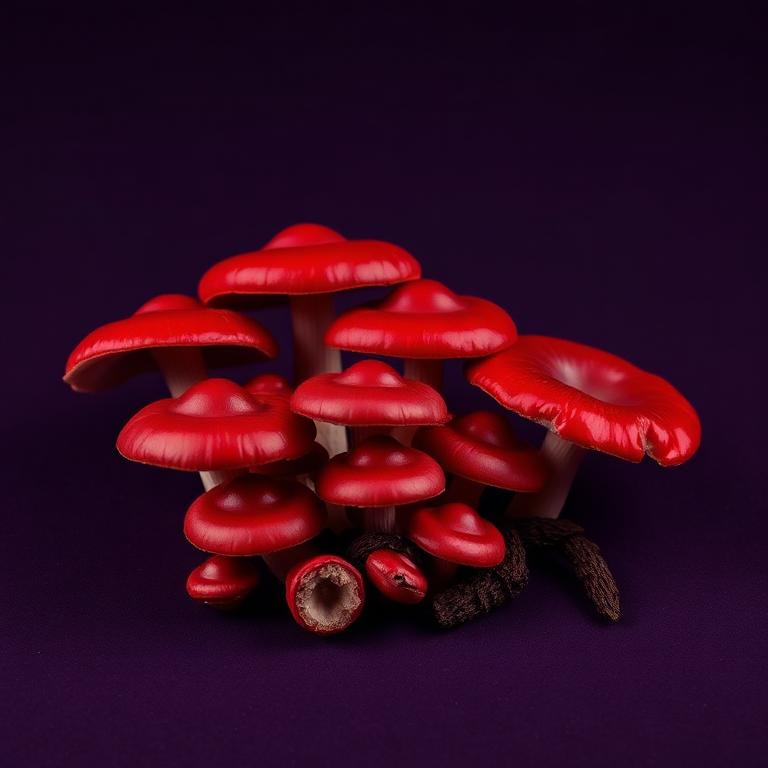
Why it's in the formula. Reishi (Ganoderma lucidum) has centuries of traditional use in East Asian medicine as a calming, restorative mushroom. Dual extraction — water and alcohol — is used because different compounds in the mushroom are soluble in different solvents.

What the research shows. A 2024 systematic review and meta-analysis in the Journal of Ethnopharmacology pooled randomized controlled trials of Ganoderma lucidum and reported improvements in sleep outcomes.

Read the review
Tart Cherry Extract

Tart Cherry Extract

500 mg, 50:1

Why it's in the formula. Montmorency tart cherries naturally contain melatonin along with procyanidins that may affect tryptophan availability. It's a whole-food source of the same compound we dose directly, plus polyphenols the isolated compound doesn't provide.

What the research shows. A 2012 trial in the European Journal of Nutrition gave participants tart cherry juice concentrate twice daily for seven days and measured increases in urinary melatonin along with improvements in total sleep time and sleep efficiency.

Read the trial
Apigenin

Apigenin

50 mg, from chamomile extract

We're going to be straight with you about this one.

Apigenin is a flavonoid found in chamomile. In laboratory and animal research it binds to benzodiazepine sites on GABA-A receptors, which is the mechanism behind chamomile's long reputation as a calming tea. That mechanism is well described.

What the research does not show. There is no randomized controlled trial of isolated apigenin for sleep in humans, at 50 mg or at any other dose. The chamomile literature is mixed: the most-cited trial in adults with chronic insomnia found no significant difference from placebo on any sleep diary measure.

Why it's still in the formula. Chamomile has a long history of traditional use for relaxation before bed, the receptor mechanism is real, and 50 mg is a well-tolerated amount. But we're not going to link you to a study that doesn't exist, and we're not going to describe apigenin as clinically proven for sleep. It isn't.

What we don't claim

  • QuietHour is not a treatment for insomnia or any other sleep disorder, and it is not a substitute for medical care. If you have persistent sleep problems, see a doctor.
  • Results vary. Sleep is affected by light exposure, caffeine, alcohol, stress, screen time, and a dozen other things a hot cocoa doesn't change.

Full citation list

IngredientCitationLink
MagnesiumRandomized, placebo-controlled trial. Nature and Science of Sleep, 2025PMC12412596
MagnesiumSystematic review. BMC Complementary Medicine and Therapies, 2021
GlycineYamadera et al. Sleep and Biological Rhythms, 2007Wiley
GlycineBannai et al. Frontiers in Neurology, 2012
L-TheanineHidese et al. Nutrients, 2019PMC6836118
MelatoninZhdanova et al. J Clin Endocrinol Metab, 2001PMID 11600532
MelatoninFerracioli-Oda et al. PLoS One, 2013
ReishiWang et al. J Ethnopharmacol, 2024 (systematic review)PMID 38403337
Tart CherryHowatson et al. European Journal of Nutrition, 2012PMID 22038497
ApigeninZick et al., 2011 (null result, cited for transparency)

These statements have not been evaluated by the Food and Drug Administration. This product is not intended to diagnose, treat, cure, or prevent any disease.

The studies cited on this page examined individual ingredients, not QuietHour™. Their authors have no affiliation with QuietHour™, have not reviewed this product, and have not been compensated by us. Journals listed are where the cited research was published; they have no affiliation with QuietHour™ and do not endorse this product.

This page is for informational purposes and is not medical advice. Talk to your doctor before starting any supplement, particularly if you are pregnant or nursing, taking prescription medication, or have a medical condition.

End the day, differently.

Rich chocolate. Calming botanicals. Deep restful sleep support — in a single mug.

QuietHour Hot Cocoa for Better Sleepwith Reishi Mushrooms and Magnesium

A rich, indulgent nightly cocoa with reishi, magnesium, L-theanine and tart cherry — designed to help you unwind, fall asleep, and wake refreshed.

Choose your pack
$72
$47
BASED IN USA Free Shipping

Caffeine Free
Vegan
Made in USA
No Artificial Sweeteners
Gluten Free